Microplastics Found to Be Chemically Active: New Scientific Study
Researchers have discovered that microplastics in water can trigger chemical reactions that potentially damage living cells.
 🩺Health
Photo: TSN
Key points
- Microplastics generate reactive oxygen species upon contact with water.
- Reactions can damage proteins and cellular structures.
- Polyethylene and polypropylene were found to be the most chemically active.
Microplastics, previously considered largely passive pollutants, have proven to be significantly more dangerous. A study conducted by experts at Columbia University and the University of California, Berkeley, revealed that plastic particles actively interact with water, generating reactive oxygen species.
Chemical Hazard at the Molecular Level
Upon contact with an aqueous environment, hydroxyl radicals form on the surface of the plastic. These compounds are capable of damaging proteins, DNA structures, and cell integrity. Experiments with mouse erythrocytes demonstrated that after exposure to polystyrene, cells lose their shape and rupture, releasing hemoglobin.
Researchers analyzed six types of plastic, including polyethylene, polypropylene, and PET. Polyethylene and polypropylene showed the highest chemical activity. Scientists emphasize that the risk increases when heating plastic containers in microwaves or leaving bottles in direct sunlight for extended periods, as these conditions accelerate the degradation of the material into smaller fragments.
Source TSN — tsn.ua/zdorovya/mikroplastyk-vyiavyvsia-nebezpechnishym-niz-vvazaly-shc… ↗
Read next
 💼Economy
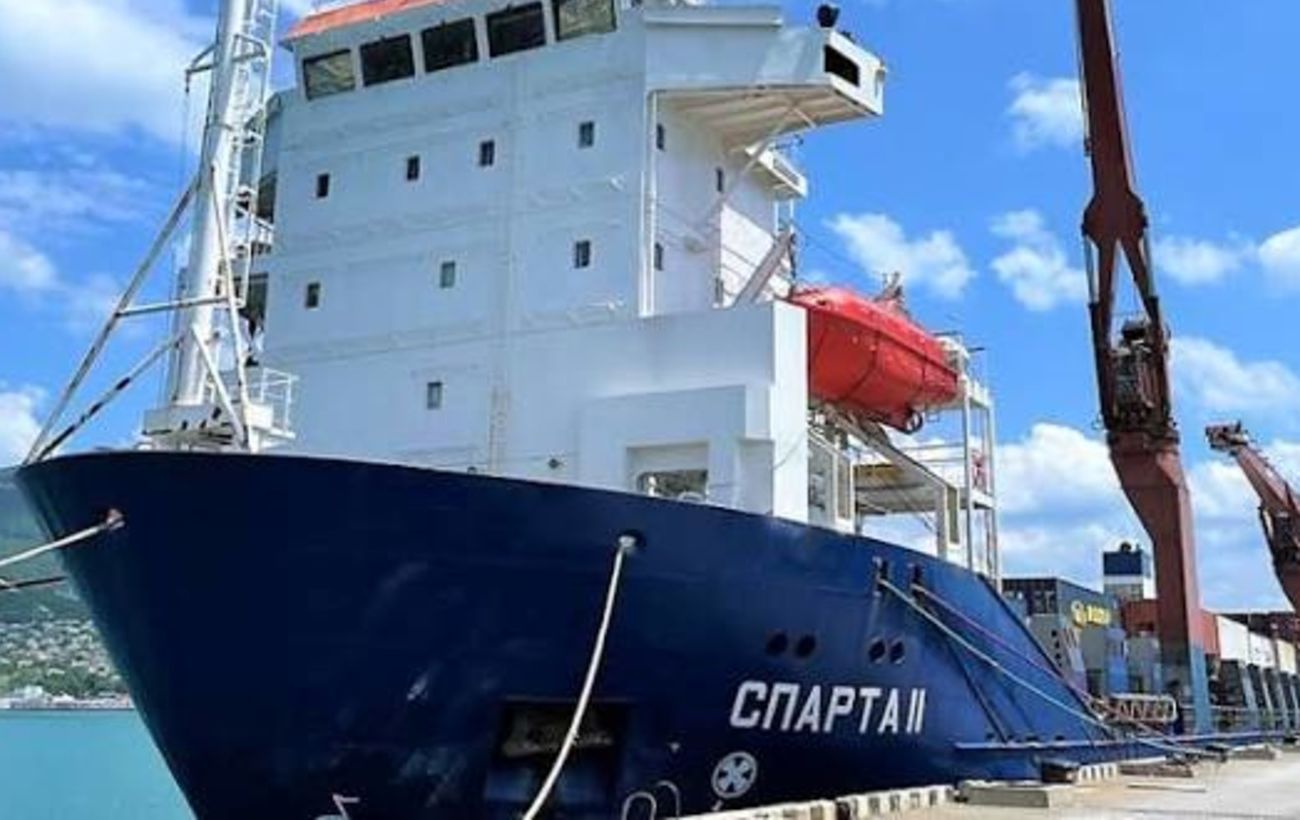
Russian vessel Sparta II still burning in Gulf of Finland following drone attack
Firefighting operations continue in Finnish territorial waters aboard the Russian cargo ship Sparta II, which was struck by Ukrainian drones.
 💼Economy
How to restore softness to stiff towels: a simple home method
An effective life hack using regular salt and citric acid will help restore Terry towels without extra expenses.
 🎓Education
The Philosophy of Rebuilding: Why the Future of Communities Relies on Daily Maintenance
Reflections on how crises change approaches to infrastructure, why destruction teaches society to appreciate invisible labor, and how maintenance shapes our new reality.
 🎓Education
Ukrainian Theater Tours in Europe: Logistics Challenges and Diaspora Emotions
Producer Serhii Chudaiev shares insights on organizing Ukrainian theatrical tours abroad, audience emotions, and logistical hurdles.
 💼Economy
Famous American singer Miley Cyrus secretly marries musician Max Morando
Renowned pop artist Miley Cyrus has officially tied the knot with Liily drummer Max Morando during an intimate ceremony in California.
 ⚽Sport
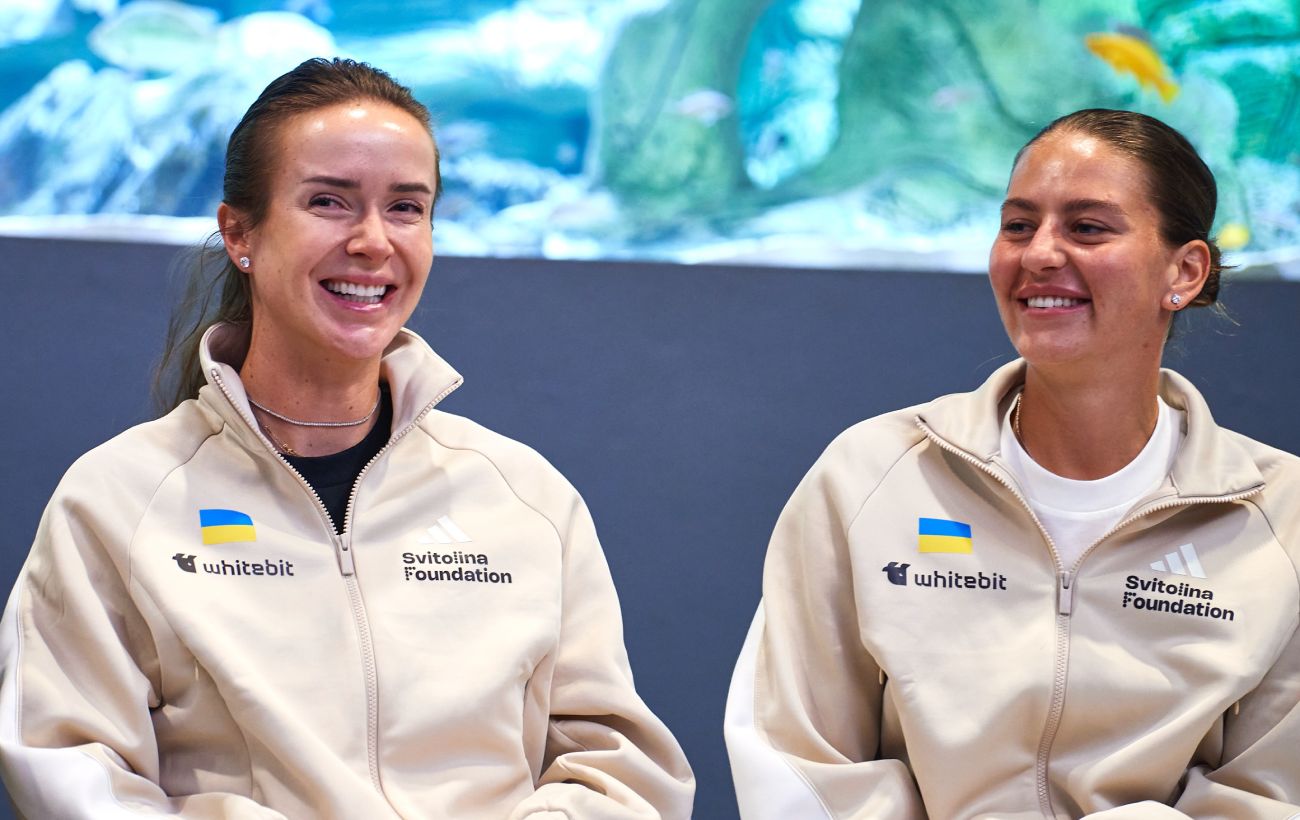
Elina Svitolina and Marta Kostyuk Nominated for Prestigious WTA Season Awards
Leading Ukrainian tennis players Elina Svitolina and Marta Kostyuk have been shortlisted for the Women's Tennis Association annual awards.